Commercial Waste in Whitechapel

Commercial waste in Whitechapel needs a tidy, dependable service that keeps business premises moving without turning waste handling into a distraction. We provide commercial waste collection and removal for everyday trade rubbish, packaging, office discards, and other routine business waste streams that need to be cleared in a lawful, organised way. The emphasis is on practical collection, sensible segregation where needed, and a straightforward route to a quotation.
For many premises, the main requirement is consistency: bins or sacks that are ready on time, waste removed without blocking access, and a process that matches the pace of the working day. We handle a range of commercial clearance needs from business waste removal through to broader clear-outs, so the service can suit offices, shops, small workshops, shared premises and managed properties. If you need a clearer idea of cost, our pricing and quotes page explains the information that helps shape an accurate quotation.
Use this page to understand the main service, the kinds of waste that are commonly handled, and the options that help a collection run smoothly. If you already know what needs removing, you can request a quote in plain language and keep the arrangement focused on the job itself. For less routine items, such as bulky office furniture or equipment, we can also direct you towards the most suitable disposal route.
Commercial collections for day-to-day business waste
Regular commercial waste work is usually about keeping premises clear of the items that naturally build up during trading. That can include office paper, mixed packaging, cardboard, non-confidential consumables, broken fixtures, display waste, and light general rubbish from staff or customer areas. The point is not simply to take things away, but to make sure the collection sits neatly around access, operating hours, and the type of waste produced by the premises.
Different settings create different waste patterns. An office may produce a steady mix of paper and packaging, while a retail unit may need help with cartons, damaged stock packaging, and back-of-house waste. We can also combine waste removal with targeted item disposal where useful, including furniture disposal for desks, chairs and other unwanted fit-out items, or fridge and appliance removal where old equipment has reached the end of its useful life.
At this stage, it helps to think in terms of the actual waste stream rather than the room it came from. That makes it easier to decide whether a simple removal is enough or whether the job needs separate handling for larger, heavier or more awkward items. A concise description of the waste, access and approximate volume is usually enough to start a quotation. Clear details often save time later, especially when mixed materials are involved.
Office waste, confidential material and workplace clear-outs
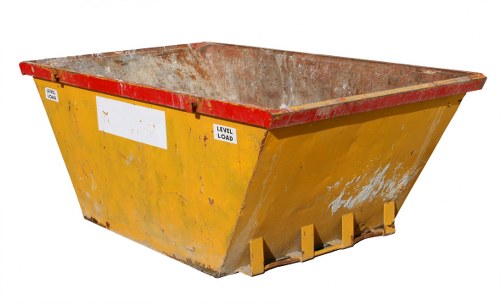
Office waste often needs more than a single bin lift. Workstations, filing areas and storage rooms can produce paper, redundant paperwork, packaging, small furniture, IT-related items and general clutter that accumulates during refits or routine housekeeping. Our office-focused waste work is designed to remove those items without disrupting the normal flow of a working day, and it can be matched to a scheduled collection or a one-off clearance.
Where paper records or sensitive material are involved, some businesses prefer a more careful route than ordinary disposal. For that reason, a dedicated confidential shredding option can be relevant when paperwork must be destroyed securely before recycling. For premises that are being reconfigured or handed back, office clearance may be the better fit because it can deal with a broader mix of desks, storage units, chairs and general office contents in one organised visit.
If you are planning a workplace clearance, it is usually best to group items by category before requesting a quotation. A short inventory, a note about lift access or stairs, and a sense of whether the job is a partial clear-out or a full room emptying will help the quote reflect the real task. When waste includes mixed office furniture and bagged rubbish, we can talk through the order of work so the removal is efficient rather than rushed.
Bulky items, fixtures and commercial furniture removal
Not all commercial waste is loose rubbish. Many jobs involve a mixture of bulky furniture, broken fixtures, storage units, reception items or heavy objects that need to be carried out carefully. In those cases, a focused clearance service is often the most practical solution because it reduces the need to organise several separate collections. Items are assessed by type and load, which helps determine the most suitable removal method and the likely amount of labour involved.
Where a workplace is replacing furniture or clearing surplus stock, it may be useful to combine the job with furniture clearance so the larger pieces are handled alongside smaller waste. In other situations, broader space recovery is needed, and home clearance or flat clearance may be relevant for mixed domestic and commercial premises, such as live-work properties or rooms that have been used for storage. The right choice depends on the contents rather than the label on the building.
A sensible approach is to identify anything that is too large to go into ordinary waste containers and anything that may need separate handling because of weight, size or material. That includes shelving, cabinets, display fixtures and some reception furniture. Bulky waste is usually less about volume alone and more about how awkward the items are to move safely. A clear list keeps the quotation honest and helps everyone understand what is included.
Specialist waste types and more careful disposal
Some commercial waste needs extra caution because of the material involved. Refrigeration units, certain appliances, mixed metal items and some workshop residues do not belong in an ordinary general waste collection. When a business needs help with non-standard items, the waste stream should be separated and handled with the right checks, especially where there may be electrical components, refrigerant, or materials that require special disposal arrangements.
For premises with heavier or more specific waste, related services can be useful. hazardous waste disposal is relevant only where the material genuinely requires specialist handling, while recycling and sustainability explains the broader approach to diverting suitable material away from disposal. These options are not a substitute for the main collection service, but they help businesses choose a more accurate route when the contents are not ordinary mixed rubbish.
It is important not to mix assumptions about what can be taken with what should be taken. Some items are straightforward, some require disconnection or pre-treatment, and some need separate instructions altogether. If a job includes both standard commercial waste and a specialist item, the best result usually comes from describing each category plainly. That avoids confusion and lets the quotation reflect the true scope of work rather than an over-simplified estimate.
Business waste removal for shops, units and managed premises

Business waste removal can support a wide range of trading premises, from high-street units to back-office storage rooms and managed commercial spaces. The practical aim is to keep waste moving out of the premises in a controlled way, so rubbish does not interfere with trading, customer access or site housekeeping. A reliable collection plan also helps when stock arrives in heavy packaging or when a unit produces a steady flow of mixed lightweight waste.
Different premises often benefit from different service combinations. A shop may need regular clearance of cardboard and broken display material; a small office may need periodic removal of paper, chairs and surplus furnishings; a managed property may need ad hoc support for tenant handovers or end-of-lease clear-outs. Where a building produces a broader range of waste, waste removal can be a practical umbrella service, while builders waste clearance becomes more relevant when the job includes renovation debris or fit-out remnants.
The service works best when the customer decides which materials are definitely in scope and which items need to be quoted separately. If a collection includes mixed waste from different parts of a premises, a short note about quantities and any access restrictions is usually enough. That keeps the focus on a workable plan rather than a lengthy explanation. Simple, accurate sorting at the enquiry stage often makes the final collection far easier to organise.
Pricing factors, access and what shapes a quotation
Commercial waste quotations are generally shaped by the type of material, the amount to be removed, and the practicalities of collection. Heavier items, awkward access, multiple floors, and a mix of waste types can all affect the time and handling required. The quotation therefore needs enough detail to reflect the job properly without turning the process into a long administrative task. A brief description of the premises and waste is usually a strong starting point.
When helpful, customers can provide a rough estimate of volume, a list of bulky items, and any information about parking, loading access or lifting points. That is especially useful for jobs that involve garage clearance or loft clearance style access, because the route in and out can be as important as the waste itself. For anyone who prefers to plan the collection method in advance, book online may be useful where a straightforward booking suits the job.
The goal is to make the quotation match the real working conditions. If the waste is already bagged, stacked, or separated by type, say so; if it is mixed, awkward or partly dismantled, say that too. A few clear facts usually give a better result than long descriptions. Where there is uncertainty, it is better to mention it than to leave out items that may matter to the collection.
Preparing for collection and making the removal efficient
There are two practical things that help most commercial collections run smoothly: clear access and a sensible description of the waste. Access means knowing where the items are, whether lifts or stairs are involved, and whether the vehicle can load close to the premises. The waste description should distinguish between loose rubbish, bagged material, bulky items and anything that might need special handling. Those small details help the quotation and the collection itself.
For larger clear-outs, it can be useful to identify items that should stay, items that are definitely going, and anything that needs checking before removal. That approach works well for builders waste clearance where rubble and packaging may be mixed with fixtures, and it also suits fridge and appliance removal when white goods are being replaced during a refit. If several waste categories are present, grouping them in advance is often the simplest route.
Two brief notes are usually enough: what the waste is, and how it can be reached. After that, the quotation can focus on the service itself rather than on repeated questions. Precise but concise information is often the most useful kind because it gives the right amount of detail without slowing the enquiry. When in doubt, a small amount of extra context is better than an incomplete picture.
About Whitechapel
Whitechapel is an area in the East End of London, in the London Borough of Tower Hamlets, lying just east of the City of London and close to Aldgate, Spitalfields and Stepney. Its name is linked to the medieval church of St Mary Matfelon, often known as the “white chapelâ€, which gave the district a lasting identity long before the present street pattern took shape. The area developed over centuries as a place of movement and exchange, shaped by its position on routes into the City and by the changing character of London’s eastern edge. Whitechapel Road remains one of its best-known thoroughfares, and the district includes a busy mix of housing, shops, institutions and transport links rather than a single uniform centre.
The local landscape reflects layers of history. Parts of Whitechapel are associated with the legacy of nineteenth-century migration, dense urban development and the social history of the East End, while later redevelopment introduced modern buildings and public services alongside older streets. The Royal London Hospital has long been a major presence in the area, and the nearby Whitechapel Gallery adds a notable cultural dimension with a programme connected to contemporary art. The district also sits within easy reach of Brick Lane, which is known for food, markets and changing creative uses, while the surrounding streets retain a distinctly urban character built from terraces, commercial frontages and institutional buildings. Whitechapel is also served by strong transport connections, including the Whitechapel station interchange, which has become even more prominent since the Elizabeth line opened. Together, these features give the area a layered, working-city atmosphere that combines heritage, movement and continual adaptation.
Commercial waste services tailored to your premises

When a business wants a practical removal service, the most useful thing is often not a long menu of promises but a service that can adapt to the shape of the premises. That might mean clearing a storeroom after a refit, taking away accumulated packaging from a trading unit, or removing mixed contents from a back office that has reached the end of its cycle. Our work is organised around the waste in front of us, not around an overcomplicated process.
Some jobs are best handled as a single waste removal, while others sit more naturally under a clearer category such as house clearance for mixed domestic-style contents, or furniture clearance where the main task is moving bulky pieces rather than loose rubbish. If you want to check the wider picture before requesting a quotation, the about us page gives a simple overview of the company pages that sit behind the service structure.
Good service depends on matching the method to the contents. A straightforward collection may be enough for bagged waste, but a fuller clearance needs a better plan for sequencing, handling and loading. That is why it helps to identify what is genuinely part of the job and what should be treated separately. A sensible quotation starts there, and the removal tends to follow more smoothly when the information is clear.
Request a quotation for commercial waste in Whitechapel
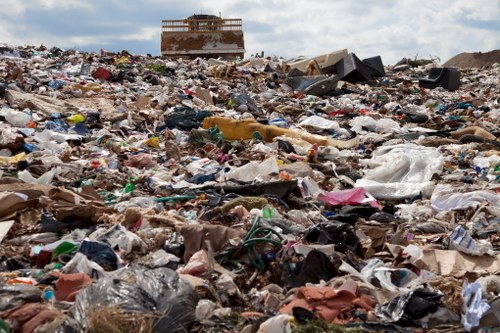
If you need commercial waste removed in Whitechapel, the quickest way to begin is to describe the waste plainly and say what sort of premises it comes from. From there, we can help shape a quotation that fits the task, whether the job is a routine removal, a bulky-item collection, or a larger commercial clear-out. You do not need to overstate the amount of detail; just give enough for the service to be matched sensibly.
Where a job includes different categories of waste, it can be helpful to list them separately, especially if some items may need specialist handling or if access is not straightforward. For more guidance on how charges are put together, the pricing and quotes page is a useful place to check the kind of information that helps a quotation stay accurate. If the work is urgent in practical terms, say so in plain language when you enquire.
Request your quotation today and keep the process simple: tell us what needs clearing, where it is, and when it needs to be done. If the service is the right fit, we can take it from there. Contact us for a quote when you are ready to arrange commercial waste collection in Whitechapel.