Recycling and Sustainability — Commercial Waste Whitechapel
Our sustainable approach to commercial waste in Whitechapel
 Commercial Waste Whitechapel operates as a local leader for an eco-friendly waste disposal area designed specifically for businesses that want to reduce landfill and boost reuse. We balance practical service delivery with measurable environmental outcomes, turning what used to be a simple rubbish collection into a managed sustainable rubbish area solution. Our teams work across shops, offices and hospitality sites to ensure that Whitechapel commercial waste is handled in ways that maximise recycling and minimise carbon.
We set a clear recycling percentage target for our commercial clients: a baseline goal of 70% recycling and recovery by 2030 for segregated loads collected from the Whitechapel area. That target is aligned with borough-scale ambitions and local environmental plans, and it reflects the higher recycling rates achievable when businesses adopt source separation and reuse-first practices. The target is tracked quarterly and used to prioritise interventions, education and route optimisation.
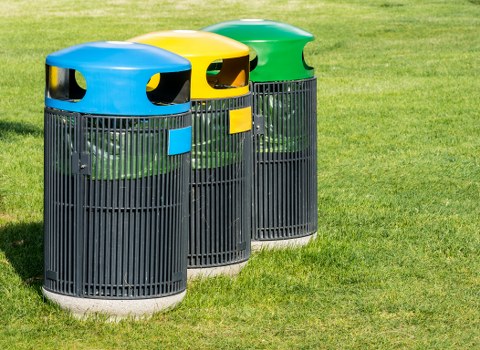
 The Tower Hamlets approach to waste separation influences how we operate: separate streams for paper and cardboard, mixed containers for plastic and cans, dedicated food waste collections where available, and specialised streams for glass and bulky items. This borough-led segregation framework supports our commercial recycling activity, from office paper and pizza boxes to textiles and small electronics. By following the local model we ensure that material is correctly sorted for onward processing.
Local transfer stations and low-carbon logistics
We make use of several nearby transfer stations and material recovery facilities to keep the journey from bin to processing as short and efficient as possible. These local transfer stations act as hubs where segregated commercial waste from Whitechapel is consolidated and routed to specialist recyclers, glass processors, composting facilities for food waste and accredited e-waste handlers. Using local hubs reduces overall haulage miles and helps maintain a true eco-friendly waste disposal area within the borough footprint.
 Our fleet is transitioning to low-carbon vans and smaller electric vehicles for inner-London collections. This includes battery-electric vans for dense urban rounds and Euro-6 hybrids when longer ranges are needed. Lower emissions on collection routes, combined with smarter scheduling and load matching, reduce the carbon intensity of each tonne of commercial waste managed in Whitechapel. We monitor vehicle emissions and publish internal carbon savings for fleet improvements.
Key logistics partners include several local transfer sites and MRFs (material recovery facilities) that accept sorted commercial streams. Typical destinations for materials include composters for food waste, glass processors for cullet, paper mill partners for OCC and mixed paper, and specialist recyclers for WEEE and textiles. This network underpins a sustainable rubbish area strategy by ensuring materials are diverted from landfill to the appropriate recycling circuit.
Partnerships, reuse and on-the-ground services
We work with charities and social enterprises to divert reusable items from commercial waste. Partnerships with local charity shops, furniture reuse organisations and clothing recyclers turn perfectly usable goods into community value rather than building waste. Our reuse-first approach includes coordination for bulk donations, scheduled collections to charity partners and direct handovers at authorised transfer points when appropriate.
 For businesses looking to improve their sustainable rubbish area, we offer site audits and bespoke segregation plans that incorporate clear signage, bin types and staff training. Practical changes such as providing lockable textile banks for shops, dedicated WEEE drop-off points or secure palletised collections for cardboard dramatically increase capture rates. Commercial waste in Whitechapel becomes a resource when handled with these simple, repeatable practices.