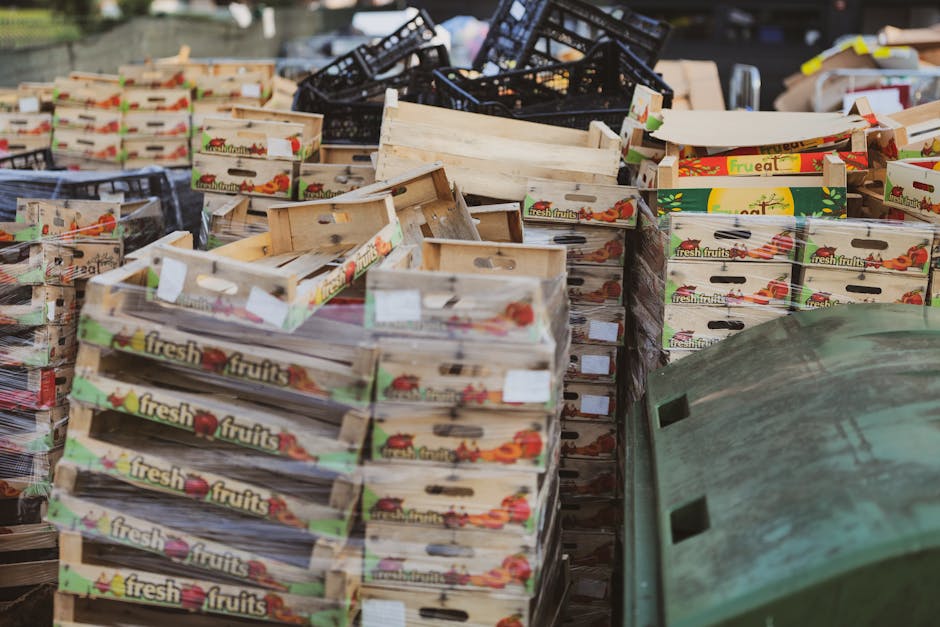
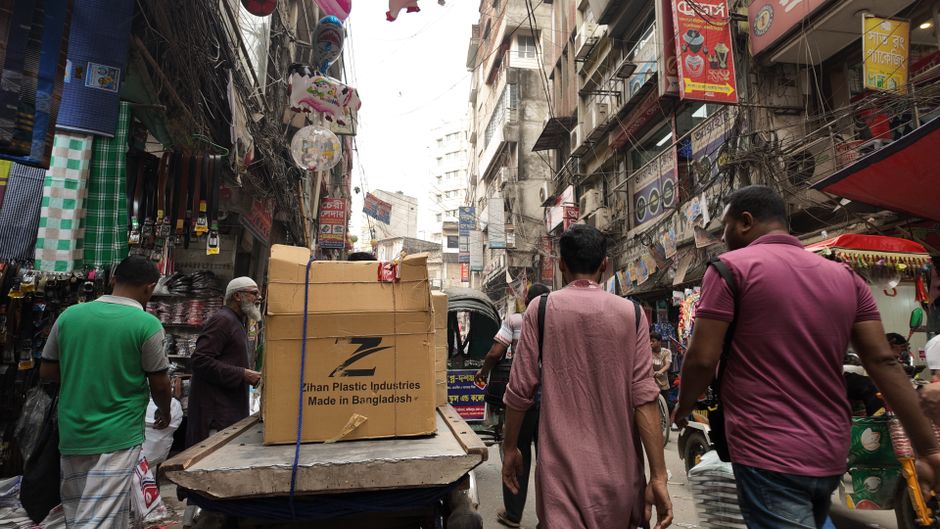
Brick Lane commercial rubbish collection for market traders
If you trade on Brick Lane, you already know the rhythm: the early setup, the steady footfall, the lunchtime rush, then the quick reset before the next day. What often gets missed in all that movement is the waste left behind. Cardboard, food packaging, broken display items, trimmings, sacks, and the odd bulky bit of stock can pile up fast. Brick Lane commercial rubbish collection for market traders is about keeping that flow under control without slowing your stall down or creating a mess for customers, neighbours, or the council.
This guide breaks down how market waste collection works in practice, what traders need to think about, and how to choose a simple, reliable routine that keeps the stall tidy and the street clear. Truth be told, rubbish is one of those jobs that seems small until it becomes a real headache.
Table of Contents
- Why Brick Lane commercial rubbish collection for market traders Matters
- How Brick Lane commercial rubbish collection for market traders Works
- Key Benefits and Practical Advantages
- Who This Is For and When It Makes Sense
- Step-by-Step Guidance
- Expert Tips for Better Results
- Common Mistakes to Avoid
- Tools, Resources and Recommendations
- Law, Compliance, Standards, or Best Practice
- Options, Methods, or Comparison Table
- Case Study or Real-World Example
- Practical Checklist
- Conclusion
- Frequently Asked Questions
Why Brick Lane commercial rubbish collection for market traders Matters
Brick Lane is busy, compact, and often crowded from the moment traders start unloading. That means waste is not just a back-of-house issue. It affects access, appearance, hygiene, trading pace, and how customers experience the whole market street. If your rubbish is left in the wrong place, even for a short while, it can quickly get in the way of deliveries, pedestrians, and neighbouring stalls.
For market traders, commercial rubbish collection matters for a few very practical reasons:
- It protects your trading space by keeping walkways, stall fronts, and loading areas clear.
- It supports hygiene, especially where food, drink, flowers, textiles, or mixed packaging are involved.
- It reduces stress at the end of a long day. Nobody wants to spend another half hour wrestling with sacks in the dark.
- It helps with reputation, because a neat stall usually looks more trustworthy than a cluttered one.
On a street like Brick Lane, rubbish can become visible almost instantly. A torn cardboard box in the wrong spot, a stack of black sacks, a leaking food crate, all of it stands out. And once it starts to smell on a warm afternoon, well, there's your problem. Not glamorous, but very real.
For many traders, the biggest issue is not volume alone. It is timing. Waste arrives in bursts: after setting up, after busy service periods, after deliveries, and after pack-down. A collection system that fits those bursts is usually far more useful than a one-size-fits-all approach.
How Brick Lane commercial rubbish collection for market traders Works
In simple terms, market trader waste collection is a planned process for gathering, separating, loading, and removing commercial waste from a trading pitch or nearby holding point. The exact setup depends on what you sell, how much waste you produce, and whether you trade daily, weekly, or only at certain times.
A typical process often looks like this:
- Waste is sorted at source. Traders separate cardboard, general waste, recyclable materials, and any special items as early as possible.
- Waste is bagged or stacked safely. Loose waste is harder to manage and usually makes the collection slower.
- Collection is timed around trading hours. That might mean early morning, post-close, or a specific off-peak window.
- The waste is lifted or loaded. For market sites, space is often tight, so speed and clear access matter.
- Materials are taken for disposal or recycling. Good waste handling aims to recover recyclable material where possible.
Some traders only need a small, regular pickup for daily trade waste. Others need mixed rubbish removal after a stall refit, a seasonal changeover, or a big promotional event. If you are dealing with old shelving, worn counters, display units, or bulk packaging, a broader business waste removal approach may fit better than a simple bag collection.
It also helps to think about what kind of waste you generate. Food traders may produce organic waste and packaging. Fashion stalls may deal with boxes, wrapping, tags, damaged stock, and hangers. Traders selling homeware or furniture-style pieces may need support that overlaps with furniture disposal or furniture clearance. Different waste types need different handling, and that is where a lot of people trip up.
Key Benefits and Practical Advantages
The biggest benefit is obvious: a cleaner stall and a cleaner trading area. But there is more going on under the surface.
1. Faster pack-down and less end-of-day chaos
When waste is sorted during trading, pack-down takes less time. You are not hunting for mixed rubbish, trying to flatten boxes, and wondering where that last crate went. A simple routine saves surprising amounts of time across a week.
2. Better customer presentation
People do notice clutter. Even if they are not consciously thinking about it, a neat pitch feels more professional. A tidy setup gives a sense of care, and that matters on a lively street where choices are plentiful.
3. Lower risk of obstruction
Loose waste creates trip hazards, access issues, and friction with neighbouring traders. It is a small thing until somebody catches a foot on a stray strap or a box sticks out into the walkway.
4. Easier recycling
Brick Lane traders often generate a lot of cardboard and packaging. If that is separated properly, you are in a much better position to support recycling. A good waste plan should not treat recyclable material like an afterthought. If sustainability is part of your trading identity, it is worth looking at the wider recycling and sustainability approach too.
5. Less reputational risk
Market streets are social spaces. One overflowing bin or a trail of packaging can make a stall look messy even if the produce or stock is excellent. Let's face it, first impressions happen fast.
6. More predictable costs and operations
Once your waste pattern is clear, you can plan rather than react. That often means fewer emergency clearances and fewer awkward surprises at closing time.
Expert summary: The best waste collection setup for Brick Lane traders is usually the simplest one that matches your real trading rhythm, not the one that sounds most impressive on paper.
Who This Is For and When It Makes Sense
This kind of collection is useful for a wide range of market businesses. If your stall creates regular rubbish, you will probably benefit from some form of planned commercial collection, even if it is only occasional.
It makes sense for:
- Food and drink traders dealing with packaging, food waste, and disposable service items
- Clothing, accessories, and vintage sellers with cardboard, wrapping, rails, and mixed stock waste
- Craft and handmade sellers managing packing materials and damaged items
- Pop-up traders operating on weekends or during events
- Permanent or semi-permanent market stalls with daily waste output
- Traders clearing out old display equipment or replacing stall fittings
It also makes sense after busy seasonal periods. Christmas trading, summer events, and festival weekends can produce a ridiculous amount of packaging and leftovers. There is always one week where the boxes seem to multiply. In those moments, a more flexible removal option can be far less painful than trying to cope with ordinary bins alone.
If your waste includes bulky furniture-style fixtures, fridges, or appliances, you may need more specialised support such as fridge and appliance removal. If there is a larger refresh happening, builders waste clearance can be helpful for mixed renovation debris, especially where fittings or shelving are being stripped out.
Step-by-Step Guidance
If you want a cleaner, calmer waste routine, start with the basics and build from there. No need to overcomplicate it.
- Map your waste types. Walk through a normal trading day and note what you throw away, when it appears, and where it collects.
- Separate recycling from general rubbish. Cardboard and clean packaging should not be mixed with food waste or loose trash if you can avoid it.
- Choose a collection frequency. Daily, weekly, after events, or on-demand. The right choice depends on your stall size and volume.
- Designate one holding point. Waste should have a predictable place so it does not spread around the pitch.
- Check access and timing. Narrow lanes, crowd flow, and delivery windows matter on Brick Lane more than people sometimes expect.
- Plan for bulky items separately. Old fixtures, display pieces, and damaged stock often need a different collection method.
- Review and adjust. If sacks are overflowing or you are paying for more than you need, tweak the plan rather than living with it.
A simple practical tip: keep one eye on the "end of day" reality, not just the busy trading fantasy. The stall always looks tidy at 11am. The real question is what it looks like at 4:30pm when the weather turns, the boxes pile up, and everyone wants to go home.
Expert Tips for Better Results
These are the small things that usually make the biggest difference.
- Flatten cardboard immediately. It saves space and makes collection easier.
- Use clearly labelled sacks or bins. Mixed waste tends to become messy waste very quickly.
- Keep wet waste separate where possible. Damp packaging can create smells and attract pests.
- Do a quick sweep before collection. Loose scraps, tape, and wrapper corners are easy to miss.
- Store waste off the customer path. Even temporary clutter can affect flow and safety.
- Talk to neighbouring traders. Shared timing and coordination can reduce congestion.
One useful habit is to photograph your waste area at the end of a busy day. Not for vanity, obviously. It gives you a record of what really happens, and that makes planning easier. If the same corner keeps becoming a bottleneck, you can spot it fast.
Also, if you are running a stall that produces confidential paperwork, such as invoices, customer forms, or booking sheets, confidential shredding may be more appropriate for the paper side of things. Not every trader needs that, but for some it is a sensible extra layer of care.
Common Mistakes to Avoid
Most waste problems are not dramatic. They are built from small habits that keep repeating.
- Leaving waste until the very end. By then, everything is mixed, tired, and harder to manage.
- Using the wrong container size. Too small means overflow; too large can waste space and money.
- Ignoring bulky items. Old racks, broken tables, and worn display units can quietly create the biggest headaches.
- Mixing waste streams without thinking. Once recyclables are contaminated, they are harder to recover.
- Blocking access routes. It only takes one awkward pile to slow down collection and annoy everyone nearby.
- Assuming all waste is the same. It really isn't. Food waste, cardboard, mixed commercial rubbish, and hazardous items all need different handling.
A common Brick Lane mistake is treating market rubbish like household waste. It is not the same. Trading areas are busier, access can be tighter, and the volume can change fast. What looks manageable in the morning can turn into a small mountain by closing time.
Another one, and this is a classic, is the "I'll deal with it later" box. There is always one box. Then there are three. Then someone is stepping around them with a tea tray, and the whole thing becomes a bit silly.
Tools, Resources and Recommendations
You do not need a huge kit to manage market waste well, but a few sensible tools make life easier.
- Heavy-duty waste sacks for mixed rubbish and soft packaging
- Flattening knives or box cutters for breaking down cardboard safely
- Clear bins or crates for separating recyclables from general waste
- Gloves and basic PPE for staff handling sharp or dirty materials
- Covered storage where possible to reduce smell and pest issues
- A simple waste log noting volume, collection dates, and problem items
If you want to understand what can usually be accepted in bulk collection settings, a useful starting point is what can go in a skip. That page is helpful for thinking through acceptable materials, although market traders should always match the collection method to the actual waste stream rather than assuming every item can go together.
If you are comparing providers, check how they handle mixed waste, recycling, bulky items, and access constraints. For general service standards and company background, about the company can be useful, while pricing and quotes helps you understand how estimates are usually put together. For booking a collection at a sensible time, there is also book online.
Law, Compliance, Standards, or Best Practice
Waste from a market stall is commercial waste, so it should be managed as such. In the UK, traders are generally expected to handle waste responsibly, avoid fly-tipping, and use a lawful collection and disposal route. The exact obligations can vary depending on the material, your business setup, and local arrangements, so it is wise to treat compliance as a working habit rather than a one-off box tick.
Good practice usually includes:
- keeping waste contained and secure
- separating recyclables where practical
- not overfilling bags or containers
- preventing spillages and litter escape
- keeping access routes clear for safe collection
- using appropriate handling for specialist items
If your waste includes items that could be classed as hazardous, such as chemicals, contaminated materials, or certain electrical components, you need to be careful. A standard mixed-waste solution may not be appropriate. In those cases, hazardous waste disposal is the safer route to explore.
Health and safety should also be part of the conversation. Wet surfaces, sharp packaging, heavy sacks, and crowded loading points can create real risks. It is worth reviewing health and safety policy guidance and checking how any collection process protects staff and the public. If you want another layer of reassurance around handling, storage, and access, insurance and safety information may help you ask better questions before you commit.
Best practice is not always flashy. Usually it means tidy stacking, clear timing, sensible separation, and not trying to shove too much into one collection. A rather unexciting formula, but it works.
Options, Methods, or Comparison Table
Not every trader needs the same solution. The right method depends on waste volume, waste type, available space, and how often you trade.
| Collection method | Best for | Strengths | Limitations |
|---|---|---|---|
| Regular bag collection | Small, steady waste output | Simple, familiar, easy to organise | Can struggle with bulky packaging or sudden peaks |
| Scheduled commercial pickup | Busy stalls with predictable waste patterns | Reliable and less disruptive to trading | Needs planning and consistent volume forecasting |
| Ad hoc clearance | Seasonal spikes, event trading, one-off clearances | Flexible and useful when waste suddenly increases | Not ideal as a long-term routine on its own |
| Bulky item removal | Fixtures, fittings, damaged stock, large display pieces | Handles awkward or oversized waste properly | May require more space and advance notice |
If the issue is more about general commercial rubbish than bulky items, waste removal is the broader option to look at. If you are dealing with a market refresh or a wider shopfront cleanup, the right method may sit somewhere between routine collection and one-off clearance.
Case Study or Real-World Example
Here is a simple real-world scenario. A food-and-goods trader on Brick Lane runs a Saturday stall with mixed packaging, a few food containers, cardboard outer boxes, and the occasional broken display tray. In the first month, they leave everything to the end of the day and try to deal with it in one go. The result? Overflowing sacks, a cramped pack-down, and one very awkward moment when a delivery trolley cannot get through.
They change the routine. Cardboard is flattened as soon as stock is unpacked. Food packaging goes into a separate container. Any bulky or broken items are set aside immediately. By closing time, the stall is still busy, but it is not chaotic. The collection is quicker. The pitch looks better. Staff leave less frazzled. Nothing magical happened. They just made waste part of the process instead of a panic job at the end.
That kind of adjustment is usually enough for smaller stalls. For larger or more varied traders, the same principle applies, only with more planning around volume and timing.
Practical Checklist
Use this as a quick pre-collection check. It saves fuss later.
- All waste is sorted into the correct stream
- Cardboard is flattened and tied or stacked neatly
- Wet or dirty waste is separated where possible
- No bags are overfilled or torn
- Bulky items are identified in advance
- Access routes are clear for collection
- Nothing is blocking customer or delivery movement
- Any hazardous or specialist material is set aside safely
- Collection timing fits your trading hours
- The stall area is swept down before pack-up finishes
Quick takeaway: if your waste system is easy enough to repeat on a tired day, it is probably a good system. If it only works when everyone is fresh and perfectly organised, it will fail by Friday.
Get a free quote today and see how much you can save.
Conclusion
Brick Lane rewards traders who stay nimble, tidy, and ready for the next wave of customers. Waste collection is part of that rhythm. When it is handled well, the stall looks better, the team moves faster, and the trading day feels smoother from start to finish.
The best approach is usually simple: know your waste, sort it early, collect it on time, and use the right method for the job. That is especially true on a street where space is precious and presentation matters. Get the routine right, and you will feel the difference almost immediately. A bit less clutter, a bit less stress, and a much cleaner finish to the day.
And honestly, once the system clicks, you stop thinking about rubbish quite so much. Which is a small victory, but a welcome one.
Frequently Asked Questions
What counts as commercial rubbish for market traders?
Commercial rubbish is any waste produced through trading activity rather than normal household use. For market traders, that can include cardboard, packaging, food waste, display materials, damaged stock, and broken fixtures.
How often do Brick Lane market traders usually need rubbish collection?
It depends on trade volume and what you sell. Some stalls need daily removal, while others only need scheduled pickups after busy trading days or events. The right frequency is the one that prevents overflow without creating unnecessary collections.
Can market traders mix cardboard with general waste?
They can, but it is usually not the best idea if cardboard is clean enough to separate. Keeping cardboard apart makes recycling easier and helps reduce the amount of mixed rubbish you have to deal with.
What should I do with bulky stall items like tables or display units?
Bulky items should be identified separately so they are not left until the last minute. They often need a more suitable removal method than ordinary sacks or bins, especially if access is tight.
Is it better to book a regular collection or an ad hoc clearance?
Regular collection works well for predictable waste. Ad hoc clearance is better for seasonal spikes, pop-up events, or one-off cleanouts. Many traders end up using a mix of both, and that is perfectly normal.
How can I reduce waste at my market stall?
Start by choosing suppliers with less packaging where possible, flatten boxes as you go, reuse containers safely, and keep recyclables separate. Small habits make a real difference over a week.
What if my waste includes something hazardous?
Hazardous items should be handled with extra care and not mixed into standard commercial waste. If you think an item may be hazardous, treat it separately and use a disposal route that is appropriate for that material.
Do I need to worry about health and safety when moving waste?
Yes. Bags can be heavy, cardboard can have sharp edges, and wet waste can make surfaces slippery. Safe lifting, clear access, and tidy storage all help reduce risk.
How do I know if my collection plan is working?
If your stall is staying tidy, waste is not building up, and pack-down feels manageable, you are probably on the right track. If you are regularly rushing, overflowing, or blocking access, the plan needs adjusting.
Can a waste service help during a stall refit or seasonal reset?
Yes. That is often when traders need extra support, especially if they are clearing old fixtures, packaging, and mixed rubbish at the same time. A more flexible removal service is usually the easiest route in those situations.
What is the main benefit of using a professional collection service?
The biggest benefit is consistency. You get a system that fits your trading routine instead of trying to manage waste piecemeal after a long day. That means less stress, better presentation, and fewer unpleasant surprises.
Where can I compare prices or arrange a collection?
If you are ready to look at the practical side, pricing and quotes is a good place to start, and contact us can help you move from planning to booking.