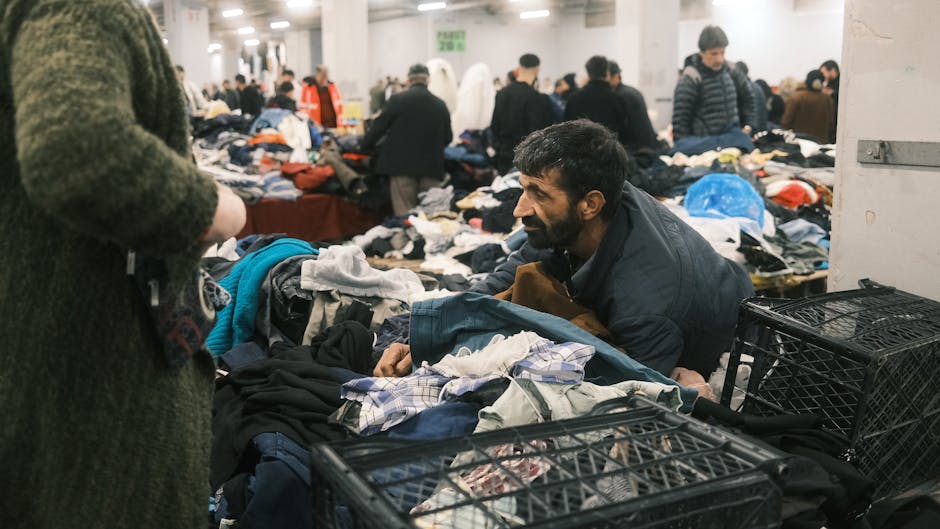
Spitalfields Market Stall Rubbish Removal Tips for Traders
If you trade at Spitalfields, you already know the rhythm: early set-up, steady footfall, a bit of packing and unpacking, then the end-of-day sweep when the stall looks like it has done a full shift. That last part matters more than people think. Good Spitalfields market stall rubbish removal tips for traders can save time, keep your pitch tidy, reduce trip hazards, and stop waste from becoming a daily headache. It is not glamorous, fair enough, but it is one of those behind-the-scenes jobs that keeps everything moving.
This guide breaks down what market stall waste management actually looks like in practice, how to handle rubbish responsibly, what traders often get wrong, and how to build a simple routine that works on busy trading days. You will also find a checklist, a comparison table, and a realistic example from a typical market day. Nothing fluffy. Just useful, grounded advice.
Why Spitalfields Market Stall Rubbish Removal Tips for Traders Matters
At a busy market like Spitalfields, rubbish builds up quickly. Cardboard from deliveries, food packaging, shrink wrap, broken hangers, tissue paper, drink cups, damaged stock containers, and the odd item that seemed useful at 9 a.m. but is now definitely not. If it is left unmanaged, it starts eating into your trading space. And once space goes, speed goes with it.
For traders, waste is not just an appearance issue. It affects safety, customer experience, workflow, and sometimes even how long it takes to pack down. A small pile near the stall edge can become a trip risk. Loose packaging can blow around. Overfilled bags can rip at the worst possible moment. People notice these things, even if they do not say so.
There is also the simple reality that market trading is tight on time. You are not running a warehouse. You are working in a compact space, often with limited access, shared loading areas, and a schedule that does not pause because the bin bag is awkwardly full. That is why a sensible waste routine is not a luxury. It is part of the job.
Expert summary: The traders who handle waste well usually do not spend more time on it. They just do it in smaller, smarter steps throughout the day, instead of treating it as a massive end-of-shift problem.
How Spitalfields Market Stall Rubbish Removal Tips for Traders Works
The basic idea is straightforward: separate waste as you go, keep it contained, and clear it before it becomes unmanageable. In practice, that means thinking through your stall layout, your packaging, your storage, and your end-of-day routine before you even open.
Most traders have a mix of waste streams. Some are recyclable, some are general waste, and some need extra care. For example, cardboard and clean paper can often be kept apart from food-contaminated items. Broken packaging, soft plastics, and damaged display materials usually need a separate bag or box. If you sell food, you may also need a cleaner, more frequent removal routine because smells and residue can build up fast. Nobody wants a warm bin bag sitting behind a stall in July. Nobody.
The practical process usually looks like this:
- Bring waste bags, boxes, or bins to the stall before trading starts.
- Keep a small sorting system in place from the beginning.
- Remove bulky packaging as soon as stock is unpacked.
- Bundle cardboard flat rather than letting it spread out.
- Seal general waste bags before they get too heavy.
- Clear down at the end of trading so nothing is left behind overnight.
Where traders need more regular or larger-scale help, a professional business waste removal service can be a practical way to keep on top of larger volumes without turning your market day into a logistics puzzle.
Key Benefits and Practical Advantages
There are obvious benefits, and then there are the quieter ones that only become clear once you have a good system in place. The obvious one is that your stall looks better. A tidy pitch feels more professional, more organised, and easier to browse. Customers notice that, even if they are not consciously thinking about waste management.
Here are the practical gains traders usually feel first:
- Better use of space: less clutter behind and around the stall.
- Faster pack-down: less sorting at the end of the day.
- Lower safety risk: fewer loose boxes, bags, and sharp edges.
- Cleaner customer experience: tidier surroundings and less mess.
- Improved stock handling: less chance of waste mixing with sellable goods.
- Less stress: you are not fighting a pile of rubbish while trying to close up.
There is also a financial angle. Waste that is mixed together and handled badly often takes longer to deal with. Time is money in market trading, as everyone knows. If you can cut five or ten minutes from pack-down every day, that adds up across a month. Not dramatic, maybe, but real.
For traders who regularly deal with mixed items, packaging, display materials, or a bit of furniture and equipment turnover, it can help to review related support such as waste removal and recycling and sustainability so the approach is both practical and responsible.
Who This Is For and When It Makes Sense
These tips are useful for almost any trader at Spitalfields, but they matter most when your stall generates regular packaging waste, food waste, or bulky end-of-day rubbish. If you are selling clothing, homeware, gifts, prints, or artisan products, you will probably deal with a steady stream of cardboard, wrapping, tape, labels, and carrier bags. If you are in food or drink, the waste mix gets more varied and more urgent.
This is especially relevant if you:
- set up and pack down every trading day;
- receive deliveries on site;
- sell items with lots of outer packaging;
- use disposable serving materials;
- need to keep the stall front clear for customers;
- share access routes or loading space with other traders;
- occasionally need larger one-off clearances after events or stock refreshes.
It also makes sense if you are a newer trader and still working out what kind of rubbish builds up most quickly. To be fair, the first few weeks often teach you more than any planning spreadsheet ever could. You think you will mostly have cardboard, then suddenly it is tape, bubble wrap, damaged display bits, and a strange amount of twine.
If your stockroom, home base, or storage area needs clearing between market cycles, related services such as office clearance or furniture disposal may be useful when equipment or display pieces are being replaced.
Step-by-Step Guidance
Here is a practical system you can adapt to your own stall. It is simple on purpose. The best waste routines are the ones people actually stick to.
- Start with a waste map. Look at your stall and decide where rubbish is likely to appear: unpacking zone, till area, food prep point, storage under the table, and pack-down corner.
- Assign each waste type a place. Use separate bags or containers for general waste, cardboard, and any specialist items your stall produces. Even a basic split helps.
- Flatten and fold immediately. Cardboard boxes should be flattened as soon as stock comes out. Do not leave them standing around taking up half your pitch.
- Keep bags small enough to handle safely. Overstuffed sacks are awkward, heavy, and likely to split. More bags is not always a bad thing.
- Use a regular clearing point. Pick moments during the day to empty the obvious build-up. Midday is often enough for some traders; busier stalls may need more frequent attention.
- Check for contamination. Food residue, liquids, grease, and mixed materials can make recycling harder. Separate them early.
- Do a final sweep before closing. Check under tables, behind displays, around packaging bins, and anywhere waste may have slipped out of sight.
- Plan the off-site removal. Decide how waste leaves the market, who handles it, and where it goes next. If the volume is larger than expected, arrange support in advance.
A good rule of thumb: if a waste item can be dealt with in under 20 seconds, do it immediately. If it needs more thought, put it in the correct container and move on. That tiny decision saves a surprising amount of time later.
Expert Tips for Better Results
Small changes often make the biggest difference. These are the habits that tend to separate tidy, efficient stalls from the ones that look as if they have lost a battle with cardboard.
- Use colour-coded bags or labels. It sounds basic, but during a busy rush it stops people from dumping everything in the nearest sack.
- Keep one bag for "later". Not for everything. Just for the small awkward bits you need to review at pack-down. One bag, not a magical mystery zone.
- Break down packaging at the source. The moment a delivery is opened, deal with the packaging while you are already there.
- Design your stall for waste flow. If rubbish always has to pass through your customer area, your layout probably needs a rethink.
- Make the closing routine non-negotiable. The last five minutes are where the mess either disappears or follows you home.
- Keep a backup supply of bags and ties. Running out of sacks halfway through service is one of those silly little disasters that somehow ruins the mood for the rest of the day.
One trader I spoke with in the middle of a wet Tuesday sort of described it perfectly: "If I leave cardboard for later, later becomes never." It made me laugh, but it is true. Market work has a habit of filling every spare gap, so anything you leave until the end becomes twice as annoying.
If you sometimes handle heavier items or seasonal display changes, it may help to look at support options like builders waste clearance for bulkier non-routine material, or what can go in a skip if you are trying to understand what belongs where before arranging disposal.
Common Mistakes to Avoid
Most waste problems at market stalls do not come from one big failure. They come from small repeated mistakes. Easy enough to make, easy enough to fix once you spot them.
- Mixing everything together. It saves a few seconds now and usually costs time later.
- Leaving bags open. Open waste bags attract mess, smells, and unwanted attention from pests or wind.
- Overfilling containers. Heavy, bursting bags are unsafe and unpleasant to handle.
- Ignoring wet waste. One damp item can ruin a whole bag of otherwise recyclable material.
- Waiting until closing time to start clearing. This is a classic. And it rarely ends well.
- Forgetting hidden spots. Waste slips behind trestle tables, under rails, and around storage crates.
- Assuming someone else will deal with it. Shared market spaces still need clear ownership of the mess you create.
Another mistake is underestimating how much waste a busy trading day creates. A stall that seems small at 8 a.m. can produce a proper pile by late afternoon. The smell of tape, cardboard dust, and coffee cups on a warm day is not exactly the charm people come for.
Tools, Resources and Recommendations
You do not need a huge setup, but a few practical tools make life much easier. The right equipment often pays for itself in saved time and fewer headaches.
| Tool or resource | Best use | Why it helps |
|---|---|---|
| Heavy-duty waste bags | General rubbish and mixed light waste | Less likely to split during transport |
| Flat-pack cardboard straps or ties | Boxes and packaging | Keeps cardboard compact and easier to move |
| Labelled bins or tubs | Sorting waste streams | Stops recyclable and general waste being mixed |
| Hand trolley or folding sack barrow | Moving bags off site | Reduces lifting strain and saves time |
| Cleaning wipes and cloths | Sticky residue and minor spills | Prevents waste areas becoming unhygienic |
| Scheduled collection or clearance support | High-volume waste days | Keeps larger jobs manageable |
For traders who want to keep things orderly without overcomplicating the process, a trusted commercial provider can help with commercial waste removal and straightforward booking via book online. If you need to understand costs before committing, the pricing and quotes page is a sensible place to start.
It is also worth thinking about what happens to reusable or damaged items after trading. Sometimes a stall refresh brings old chairs, display units, or storage pieces into the mix. In those cases, furniture clearance or fridge and appliance removal may be relevant depending on what you are clearing.
Law, Compliance, Standards, or Best Practice
Waste handling for traders should always be approached carefully. In the UK, businesses have responsibilities around keeping waste secure, using appropriate carriers, and ensuring waste is dealt with properly. The exact requirements can vary depending on the waste type and how your trading setup operates, so it is wise to follow current guidance rather than guessing. That sounds obvious, but people do guess. Quite a lot.
For practical purposes, the safest approach is to treat your stall waste as business waste and manage it accordingly. Keep clear records where needed, separate any hazardous or specialist items, and do not place restricted materials into general sacks. If you are ever unsure whether an item should be classed as hazardous or requires special handling, pause and get proper advice before moving it on.
Best practice usually includes:
- keeping waste secure so it does not spill or blow away;
- sorting recyclable items from mixed waste where practical;
- avoiding contamination of recyclable loads;
- using appropriate disposal routes for batteries, chemicals, or damaged electricals;
- making sure staff or helpers know the routine;
- choosing a provider with clear safety and insurance information.
If your waste includes items that may need specialist handling, it is worth reviewing hazardous waste disposal and the company's health and safety policy. For extra peace of mind, the insurance and safety information is also useful, especially if you are comparing providers and want to know how seriously they take the practical side of the job.
Options, Methods, or Comparison Table
There is no single right way to handle market stall rubbish. The best option depends on volume, waste type, how quickly you need things cleared, and how much space you have on site. Here is a straightforward comparison.
| Method | Best for | Pros | Watch-outs |
|---|---|---|---|
| On-stall sorting and bagging | Low to moderate daily waste | Cheap, simple, quick to start | Needs discipline; can become messy if ignored |
| Scheduled collection support | Regular commercial waste | Reliable, less end-of-day stress | Requires planning and budget |
| One-off clearance | After stock changes or seasonal refreshes | Good for bulky or mixed items | Not ideal for everyday waste |
| Shared market disposal arrangements | Traders in coordinated spaces | Can reduce duplication and clutter | Needs clear responsibility and timing |
| Recycling-led routine | Cardboard-heavy stalls | Cleaner, more sustainable, often easier to organise | Works best only if contamination is kept low |
If you are weighing up whether a clearance is needed beyond ordinary waste handling, services like loft clearance or garage clearance may be worth exploring for storage spaces, stock overflows, or awkward mixed items. Not every trader will need them, of course, but they can be useful when the problem is bigger than a couple of bin bags.
Case Study or Real-World Example
Picture a jewellery and accessories trader at Spitalfields on a busy Saturday. The stall has product packaging, tissue paper, small cardboard inserts, carrier bags, tape, and a couple of damaged display trays from a delivery. By lunchtime, waste has started to spread under the counter because the trader has been too busy serving customers to deal with it. It is not chaos, but it is getting close.
Instead of waiting until the end, the trader makes one small change: a box for flattened packaging, one bag for general waste, and a ten-minute mid-session reset. Every time a delivery box is opened, the cardboard is flattened straight away. The packing materials go in one place, damaged display items in another, and the general waste bag is tied off before it gets heavy.
By closing time, there is still waste, naturally, but it is smaller, tidier, and quicker to move. The stall clears down in one pass instead of three. The trader is not dragging loose tape and cardboard through a crowd, and the pitch looks better for the next day. Simple, but effective.
That is usually how good rubbish removal works in real life. Not with dramatic systems. With little habits that stop bigger problems from forming in the first place.
Practical Checklist
Use this checklist before, during, and after trading to keep waste under control.
- Bring enough waste bags, ties, and labels for the day.
- Set up separate spots for cardboard, general waste, and any special items.
- Flatten boxes as soon as they are empty.
- Keep liquids and food residue away from recyclable material.
- Empty small waste containers before they overflow.
- Do a quick floor and under-table sweep halfway through the day if needed.
- Secure any loose paper, plastic, or lightweight packaging.
- Keep a final pack-down routine and stick to it.
- Remove waste from the stall area promptly.
- Review what waste you produced so next time is easier.
Quick reminder: if you are regularly producing more waste than your current routine can handle, that is a sign to upgrade the process rather than simply working faster.
Get a free quote today and see how much you can save.
Conclusion
Spitalfields market stall rubbish removal does not need to be complicated, but it does need to be deliberate. The traders who stay on top of waste are usually the ones who build a small routine early, keep materials separated, and clear down in steps instead of leaving everything until the end. That approach keeps stalls safer, tidier, and far easier to manage on busy days.
Start with the basics: flatten cardboard, seal bags properly, separate waste streams where you can, and give yourself a clear closing routine. If your stall generates more than a simple daily bag or two, use the support available and plan ahead. It makes trading feel calmer, frankly. And calmer is good when the market is buzzing and you are trying to keep your head straight.
If you want a cleaner, smoother way to manage the waste side of trading, the next step is simply to put a better system in place. Small improvements really do add up. One tidy stall at a time.
Frequently Asked Questions
What is the best way to handle rubbish at a market stall?
The best approach is to sort waste as you go, flatten packaging immediately, and keep general waste separate from recyclable material where practical. A small daily routine works better than a big end-of-day clear-up.
How often should traders remove rubbish from their stall?
That depends on how busy the stall is, but most traders benefit from removing waste several times during the day rather than waiting until closing. If bags are filling quickly, clear them sooner.
Can Spitalfields traders recycle cardboard and packaging?
Often, yes, if the cardboard and packaging are clean and not contaminated with food or liquids. The key is to keep recyclable material separate and dry so it stays useful.
What waste should never be mixed with general rubbish?
Anything potentially hazardous, such as certain batteries, chemicals, or contaminated items, should not be casually mixed in with general waste. If you are unsure, treat it carefully and get proper guidance first.
How do I stop my stall from looking cluttered with bin bags?
Use smaller bags, clear them more often, and give each waste type a proper place. It also helps to design your stall layout so rubbish never needs to sit in customer-facing areas.
Is it worth booking professional waste removal for a stall?
If your stall produces regular commercial waste, bulky packaging, or seasonal surges, professional support can save time and keep the pitch more manageable. It is often worth it when the alternative is constant juggling.
What should I do with damaged display items or old stall furniture?
Those items usually need a separate clearance approach, especially if they are bulky or no longer usable. Depending on the item, furniture-related services or a general clearance may be more suitable than ordinary waste bags.
How can I make pack-down quicker at the end of the day?
Clear waste in small steps throughout trading hours, keep a consistent closing routine, and remove empty packaging as soon as it appears. A tidy stall at 4 p.m. is much easier to close than one that has been ignored all day.
Do I need to separate food waste from other rubbish?
If you sell food or drinks, yes, separating food waste from dry recyclables and general waste is a smart move. It helps with hygiene and reduces the chance of contaminating other materials.
What is the most common mistake traders make with rubbish removal?
Waiting too long to deal with waste is probably the biggest one. A small pile becomes a bigger pile, then suddenly the stall is cramped, messy, and awkward to pack down. It creeps up on you.
How do I know if my waste needs special handling?
If it includes items that may be hazardous, sharp, contaminated, or unusual for normal commercial waste, pause before disposing of it. Specialist handling may be needed, and it is better to check than to guess.
Where should a trader start if they want to improve waste management?
Start by counting the waste types you create on a normal trading day. Once you know whether it is mainly cardboard, packaging, food waste, or bulky items, you can build a simple system that actually fits your stall.