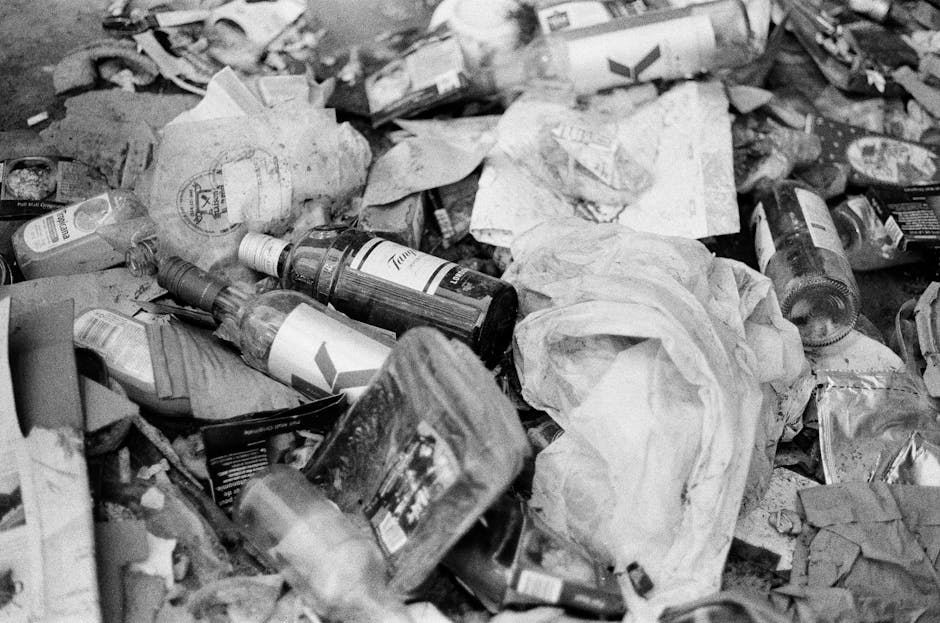
Rubbish collection near Royal London Hospital for clinics
Running a clinic near the Royal London Hospital is rarely just about appointments, patient flow, and keeping the kettle on. There is also the quieter, less glamorous side of the job: managing rubbish collection near Royal London Hospital for clinics so the premises stay clean, safe, and ready for the next patient. If you have ever looked at a pile of cardboard, bagged clinical packaging, or old furniture in a tight Whitechapel workspace and thought, "that needs sorting today," you are in the right place.
This guide explains how clinic waste collection works, what to expect from a reliable service, which materials usually need special handling, and how to avoid the common mistakes that cost time, money, and peace of mind. It is written for real working settings, not theory. Clinics are busy. Hallways can be narrow. Storage is limited. And nobody wants a rubbish problem turning into a front-of-house problem. Let's keep it straightforward.
Table of Contents
- Why rubbish collection matters for clinics near the Royal London Hospital
- How the collection process works
- Key benefits and practical advantages
- Who this is for and when it makes sense
- Step-by-step guidance
- Expert tips for better results
- Common mistakes to avoid
- Tools, resources and recommendations
- Law, compliance, standards and best practice
- Options and comparison table
- Case study or real-world example
- Practical checklist
- Conclusion
- Frequently asked questions
Why Rubbish collection near Royal London Hospital for clinics Matters
Clinics near a major hospital operate under pressure that people outside healthcare often do not see. Deliveries arrive when corridors are already busy. Patient visits run back-to-back. Staff may be juggling admin, cleaning, and stock control in the same hour. In that setting, rubbish is not a minor inconvenience. It becomes a practical risk.
A sensible rubbish collection service helps keep treatment rooms, reception areas, staff rooms, and storage spaces under control. That matters for hygiene, yes, but also for reputation. Patients notice clutter. Staff notice clutter. And when waste starts stacking up, it can interfere with day-to-day work in ways that are surprisingly disruptive. A box of outdated packaging in the wrong corner can block access. A broken chair can become a trip hazard. A forgotten appliance can take up precious room for weeks.
For clinics close to the Royal London Hospital, local logistics matter too. Whitechapel roads can be busy, parking can be awkward, and timing is everything. A collection that arrives at the wrong moment can create more chaos than it solves. A good plan keeps disruption low, which is half the battle. Truth be told, the best waste removal is the kind staff barely think about because it just works.
Expert summary: for clinics, the real value of rubbish collection is not just "taking stuff away"; it is preserving a clean, calm, compliant working environment with as little interruption as possible.
How Rubbish collection near Royal London Hospital for clinics Works
The process is usually simpler than people expect. A clinic identifies what needs removing, checks whether any items need special handling, and arranges a collection time that fits around patients and staff. The removals team then arrives, loads the waste, and takes it away for sorting, recycling, disposal, or specialist treatment where relevant.
In practical terms, collections for clinics often fall into a few broad groups:
- General office and reception waste, such as packaging, obsolete stationery, and broken small items
- Furniture clearance, including chairs, desks, cabinets, shelving, and waiting-room pieces
- Appliance or equipment removal, such as small fridges or other items that have reached end of life
- Confidential waste handling, for paper records and sensitive documents that should be destroyed securely
- Hazardous or specialist waste, where certain materials must be separated and handled properly
Most clinics prefer collections that are timed to avoid appointment peaks. Early mornings, quieter afternoons, or end-of-day slots are common choices. That can make a surprisingly big difference. A van arriving after the last patient has gone is one thing. A van trying to manoeuvre past a reception queue at 9:15 on a Monday is another. Nobody wants that scene.
If your clinic needs a broader clear-out, it may make sense to combine rubbish collection with office clearance or business waste removal. For furniture-heavy jobs, furniture disposal or furniture clearance may be a better fit. If the work involves a wider premises tidy-up, waste removal is the broader category most people search for.
Key Benefits and Practical Advantages
A well-run collection service gives clinics more than a clean floor. It creates breathing room. Literally and operationally.
- Cleaner patient-facing spaces: tidy reception and waiting areas feel calmer and more professional.
- Less disruption: staff can keep working while rubbish is removed efficiently and at an agreed time.
- Better space management: storage cupboards, basements, and back rooms stop becoming unofficial waste zones.
- Reduced trip and clutter risks: loose items, old chairs, and stacked bags are cleared before they become a problem.
- More predictable workflows: when waste is collected regularly, you spend less time firefighting.
- Improved recycling outcomes: items can often be separated rather than sent away as mixed waste.
There is also a subtle benefit that people often underestimate. A tidy clinic just feels more organised. Patients may not consciously say it, but they sense it. Staff do too. It creates a bit of calm in a place where calm is worth its weight in gold. And if you have ever tried to run a clinic from a cramped back office with five boxes of old stock leaning against the wall, you know exactly what that means.
For clinics that care about sustainability, services with a recycling focus can help reduce the amount of reusable material sent to landfill. The page on recycling and sustainability is worth a look if your team wants to make better choices without making the process complicated.
Who This Is For and When It Makes Sense
This kind of collection is useful for a wide range of clinics and healthcare-adjacent premises near the Royal London Hospital. That includes GP-style practices, private clinics, dental surgeries, opticians, therapies rooms, specialist treatment centres, and small diagnostic spaces. If you manage a clinical workspace with public footfall, you already know how quickly rubbish can build up.
It makes sense when you are dealing with:
- End-of-lease clear-outs
- Reception refurbishments
- Equipment upgrades
- Back-room decluttering
- Seasonal stock changes
- Post-works clean-up
- Unexpected accumulation after a busy period
There is a point at which "we'll deal with that next week" turns into "why is this still here?" Clinics near Royal London Hospital often work in compact spaces, so even a modest amount of waste can feel bigger than it is. A few office chairs, broken shelves, and surplus packaging may not sound like much on paper. In a narrow corridor, though? Different story.
If your clinic also shares space with admin teams, therapy rooms, or a small office function, you may need to think beyond general waste. In those cases, confidential shredding can be a sensible add-on where sensitive paperwork is involved, and office clearance may help when desks, storage units, and old files all need clearing together.
Step-by-Step Guidance
If you want the process to feel smooth rather than frantic, a little planning goes a long way. Here is the practical version.
- Walk through the space. Identify what actually needs removing. Separate regular waste from items needing special handling.
- Flag anything sensitive or regulated. Paper records, sharps-related waste, chemicals, or equipment with restricted disposal needs should not be mixed in casually.
- Estimate access conditions. Note stairwells, lift access, parking limitations, security checks, or narrow doorways. Clinics near the hospital often have at least one access headache. Usually more than one.
- Choose a time slot that protects patient flow. Early mornings and quieter periods are often easiest.
- Prepare items for collection. Bag loose waste, group furniture together where safe, and keep separate categories distinct.
- Confirm what is included. Make sure the provider understands what will be taken and whether anything requires specialist handling.
- Check the handover. Once removed, confirm the area is clear and that any agreed documentation or receipts are provided.
For clinics that are refurbishing or replacing fittings, it can help to pair collection with builders waste clearance if there are renovation leftovers such as plasterboard, packaging, or broken fixtures. If you are replacing domestic-style items in staff areas, fridge and appliance removal may be relevant too.
A quick note here: if the collection is time-sensitive, do not leave it until the building is already in chaos. Most delays come from waiting too long, not from the actual removal itself. A phone call or online booking made in good time can save a messy afternoon.
Expert Tips for Better Results
After enough site visits, certain patterns become obvious. Clinics that run waste well tend to share a few habits.
- Keep one temporary holding point: Choose a single safe area for items awaiting collection. Scattered waste creates confusion.
- Use labels for mixed clear-outs: "Furniture," "paper only," "electronics," and "do not move" labels save a lot of back-and-forth.
- Measure bulky items before collection day: A large cabinet can look manageable until it meets a tight corridor corner.
- Protect patient-facing areas first: If time is short, keep waiting rooms and entrances free of clutter before touching back-of-house storage.
- Plan for the aftermath: Clearing waste is one job; restoring order is the next. Have bins, storage, and cleaning supplies ready.
- Bundle tasks where it makes sense: If you already have a removal booked, it may be efficient to deal with old furniture, confidential documents, and general rubbish together rather than in separate bursts.
One small, very real tip: keep an eye on cardboard. Clinics receive a lot of it. Boxes from supplies, packaging from equipment, protective wrap, all of it accumulates faster than you think. It is a bit ridiculous, actually. One delivery day and suddenly the corridor looks like a warehouse aisle.
For larger clear-outs, some teams prefer to review pricing and quotes before booking so they can compare options calmly rather than in a rush. If security and payment handling are a concern, payment and security gives additional reassurance around transaction safety.
Common Mistakes to Avoid
Most rubbish collection headaches are avoidable. The trouble is, when clinics are busy, people default to quick fixes.
- Mixing general waste with specialist waste: This can create compliance issues and may slow everything down.
- Leaving waste in shared walkways: Even briefly, this can be awkward in a busy clinical setting.
- Underestimating access issues: A van can arrive on time and still lose time if nobody has thought through loading access.
- Booking too late: If a clear-out is linked to refurb works or a tenancy deadline, last-minute arrangements are rarely the best ones.
- Forgetting about confidential items: Old notes, documents, or printed records should not be treated like ordinary paper waste.
- Assuming every item is simple to remove: Fridges, certain appliances, and some clinical materials need more care.
There is also the classic mistake of leaving "maybe useful later" items in the pile. We all do it. A chair with one wobbly leg, a dusty monitor, a box of old leaflets nobody wants to admit are obsolete. Then six months pass. If it is not being used, it is probably just taking up air.
Tools, Resources and Recommendations
You do not need a complicated system to manage clinic waste well. A few simple tools make a big difference.
- Clear labels: Use them to mark items that are to be removed, retained, or handled separately.
- Inventory notes: A basic list of what is being cleared helps avoid confusion later.
- Staff checklist: Helpful for reception teams, practice managers, and anyone else who may be organising a collection in a rush.
- Measuring tape: Worth having on hand for bulky furniture and access points.
- Locked bins or secure storage: Useful for sensitive paperwork before confidential shredding or disposal.
It is also worth using the business pages on the site as reference points depending on the job. A clinic tidy-up often overlaps with business waste removal, while a larger office-style reset may lean towards office clearance. If the job involves sofas, waiting-room seating, or worn-out staff-room furniture, mattress and sofa disposal may also be relevant for soft furnishings.
For clinics that want to understand what can be loaded together in a mixed collection, the guide on what can go in a skip can be a useful planning aid, even if you are booking a collection rather than a skip itself. It helps people think more clearly about item categories. Sometimes that is all you need.
Law, Compliance, Standards, or Best Practice
Waste from clinics should always be handled carefully. The exact obligations depend on the type of waste involved, the nature of the business, and how the premises operate. As a general rule, clinics should not treat all rubbish as the same thing. That sounds obvious, but in practice it is where many problems start.
Good practice usually includes separating waste streams where required, keeping sensitive materials secure, and using a provider that understands commercial and healthcare-adjacent environments. For some materials, specialist handling may be needed. For example, items that could present a health or safety concern should not be mixed into standard general waste. Likewise, confidential paperwork should be destroyed through an appropriate secure process rather than simply binned.
Health and safety matters too. Clear access routes, careful lifting, and proper loading are not optional extras in a clinic; they are part of responsible site management. If you want reassurance around how a provider approaches this side of the work, it is sensible to review health and safety policy and insurance and safety. Those pages can help you understand the standards a business is trying to work to.
Some clinic managers also like to check the company's general background before booking, especially for repeat work. In that case, about us is a sensible starting point. And if you need to raise a concern after a job, the complaints procedure should be clear and straightforward. That kind of transparency matters more than people think.
Options, Methods, or Comparison Table
For clinics near the Royal London Hospital, there are usually a few ways to handle rubbish. The right one depends on volume, urgency, and the type of waste involved.
| Option | Best for | Strengths | Trade-offs |
|---|---|---|---|
| One-off rubbish collection | Small to medium clear-outs, mixed rubbish, occasional clutter | Fast, flexible, usually simple to arrange | May not suit ongoing high-volume waste |
| Business waste removal | Regular commercial waste streams | Good for repeat needs and predictable routines | Less ideal for bulky one-off items |
| Office clearance | Desks, chairs, storage units, admin rooms | Useful for whole-room or whole-area clear-outs | May be more than you need for a small job |
| Furniture clearance/disposal | Waiting-room furniture, cabinets, chairs, tables | Efficient for bulky items | Not the best match for mixed general waste |
| Confidential shredding | Documents and sensitive paperwork | Better privacy and peace of mind | Only solves the paper side of the problem |
To be fair, many clinics need a mix rather than a single category. A reception refit might involve furniture disposal, a bit of business waste removal, and secure shredding for old files. That is normal. It is not a sign that the planning is messy. It just means the premises do a lot in a small footprint.
Case Study or Real-World Example
Picture a small clinic a short walk from the Royal London Hospital. The team has been growing, the waiting area is being refreshed, and a back room has quietly filled with old chairs, broken shelving, packaging from stock deliveries, and a stack of documents that need to be dealt with properly. Nothing dramatic. Just one of those jobs that gets nudged down the list for weeks.
The practice manager sets a collection window for early morning, before the first patient arrives. Staff separate the paperwork from the furniture. The chairs are grouped near the exit. Cardboard is flattened. A few awkward items are measured in advance because the corridor turns are tight. Smart move, that. The removals team arrives, works through the load without interrupting appointments, and clears the space before the day properly starts.
What changed? Not just the room. The whole tone of the place changed a bit. The front desk looked calmer. Staff stopped squeezing past stacked boxes. The back room became usable again. Nothing magical. Just better logistics, done at the right time.
That is usually the real win with rubbish collection near Royal London Hospital for clinics. Not glamour. Not drama. Just a cleaner, more workable building.
Practical Checklist
Use this checklist before booking a collection:
- Identify all items to be removed
- Separate general waste from confidential or specialist waste
- Check access routes, lifts, stairs, and loading points
- Choose a time that avoids peak patient traffic
- Measure bulky furniture or awkward items
- Confirm whether any items need specialist handling
- Prepare the area so collection can happen quickly
- Keep documents and sensitive material secure until shredded
- Ask about recycling and disposal approach
- Review pricing, payment, and any booking terms in advance
If you are coordinating a more complex clean-up, you may also want to review terms and conditions before confirming the work. That sounds a bit dry, I know, but it can prevent avoidable misunderstandings later.
Conclusion
Rubbish collection near Royal London Hospital for clinics is really about keeping a busy, often cramped professional space under control. When it is handled well, staff can focus on patients, not piles. The building stays safer, tidier, and easier to work in. And because clinics near Whitechapel often have tight access and full calendars, the most valuable service is usually the one that arrives on time, understands the environment, and gets on with the job without fuss.
Think of it as operational housekeeping with real business value. Small clear-outs stop becoming big problems. Old furniture disappears before it gets in the way. Sensitive material is handled properly. The place feels lighter afterwards. That matters more than people sometimes admit.
Get a free quote today and see how much you can save.
If you want to organise clinic rubbish collection with less stress, a practical first step is to plan the items, the timing, and the access route before you book. That simple bit of preparation can make the whole thing smoother, and honestly, easier on everyone.
Frequently Asked Questions
What types of waste can clinics usually have collected?
Most clinics can arrange collection for general rubbish, cardboard, office waste, old furniture, and some specialist items. Sensitive or regulated materials should always be separated and discussed in advance.
Can rubbish collection be arranged around clinic opening hours?
Yes, in many cases it can. Early morning, late afternoon, or quieter mid-week slots are often best for clinics because they reduce disruption to patients and staff.
Is confidential shredding useful for clinics near the Royal London Hospital?
It often is. Clinics handle paperwork that may contain personal or sensitive information, so secure destruction can be a sensible part of a rubbish clear-out.
Do clinics need a different approach from ordinary office waste?
Usually, yes. Clinics may have a mix of general waste, confidential paperwork, furniture, and potentially specialist items. That mix needs more care than a standard office tidy-up.
What should I do before booking a collection?
Sort the waste into categories, check access routes, measure bulky items, and decide whether any materials need secure or specialist handling. A bit of prep saves time later.
Can old clinic furniture be taken away in the same visit as rubbish?
Often yes, as long as the provider is told what is involved. Chairs, cabinets, desks, and waiting-room furniture are common items in mixed collections.
How do I know if an item needs specialist disposal?
If it contains sensitive material, could pose a health risk, or falls into a regulated category, it is best to ask before collection. When in doubt, separate it and get advice.
What is the best time for clinic rubbish collection?
There is no single best time, but quieter periods are usually safest. Many clinics choose a time before patients arrive or after the day's appointments end.
How do I avoid disruption during collection day?
Keep the collection area clear, label items properly, and warn staff in advance. The smoother the handover, the less likely it is to interfere with patient flow.
Can rubbish collection help with a clinic refurbishment?
Absolutely. If you are replacing furniture, clearing storage, or dealing with renovation leftovers, a coordinated collection can keep the project moving without clutter building up.
Is recycling important for clinic waste?
Yes, where it is practical and appropriate. Clinics often generate cardboard, packaging, and other recyclable items, so separating them where possible is a sensible habit.
What should a clinic look for in a waste provider?
Look for clear communication, sensible scheduling, a good understanding of commercial premises, and transparent information on safety, insurance, pricing, and waste handling.